HEPA vacuuming and microfiber wiping are the most effective methods for removing fine dust from vents and interior surfaces. This guide explains how these techniques work, why standard tools fail, and how professional crews like Clean Connect Pros apply them across the DMV and Central Virginia. We cover vacuum filtration, cloth materials, and specific vent cleaning protocols to help you maintain a healthier indoor environment. For additional details, review the .
HEPA Vacuuming
HEPA vacuuming is the process of using a vacuum cleaner equipped with a High Efficiency Particulate Air filter to capture microscopic particles. Standard vacuum filters often allow fine dust to escape back into the air, which can settle on surfaces again. A HEPA filter traps at least 99.97% of particles as small as 0.3 microns. This makes it the gold standard for removing fine dust from carpets, upholstery, and hard floors. For additional details, review the Customer Experience.
When you vacuum with a HEPA filter, the machine creates a sealed system. Air is pulled in, passes through the filter, and exits clean. This prevents the recirculation of allergens and fine dust. For homes in the DMV region, where urban pollution can increase indoor particulate matter, this method is critical. It ensures that the dust you remove stays inside the vacuum bag or canister, not in your living room. For additional details, review the Frequently Asked Questions.
Why Standard Vacuums Fail
Many older or budget vacuums use basic paper or foam filters. These filters are designed for large debris, not fine dust. As the filter clogs, air leaks around the edges. This leak releases fine dust back into the air. You might feel like you are cleaning, but you are actually redistributing the dust. HEPA vacuuming solves this by maintaining a tight seal and high filtration efficiency. For additional details, review the About.
Microfiber Wiping
When you wipe a surface with microfiber, the dust is trapped inside the cloth. You do not need to rinse the cloth as often as you would with cotton. This makes it highly efficient for quick cleanups. For interior surfaces like shelves, countertops, and electronics, microfiber wiping is superior. It leaves no lint and no streaks. It is the preferred method for maintaining the pristine look of a home or office.
The Physics of Microfiber
Microfiber is typically made from a blend of polyester and polyamide. The manufacturing process splits the fibers into very thin strands. This creates a high surface area to volume ratio. The thin strands can reach into small crevices and grab dust particles. The electrostatic charge of the fibers also helps attract dust. This combination of physical trapping and electrostatic attraction makes microfiber wiping highly effective for fine dust removal.
HEPA Filtered Vacuums
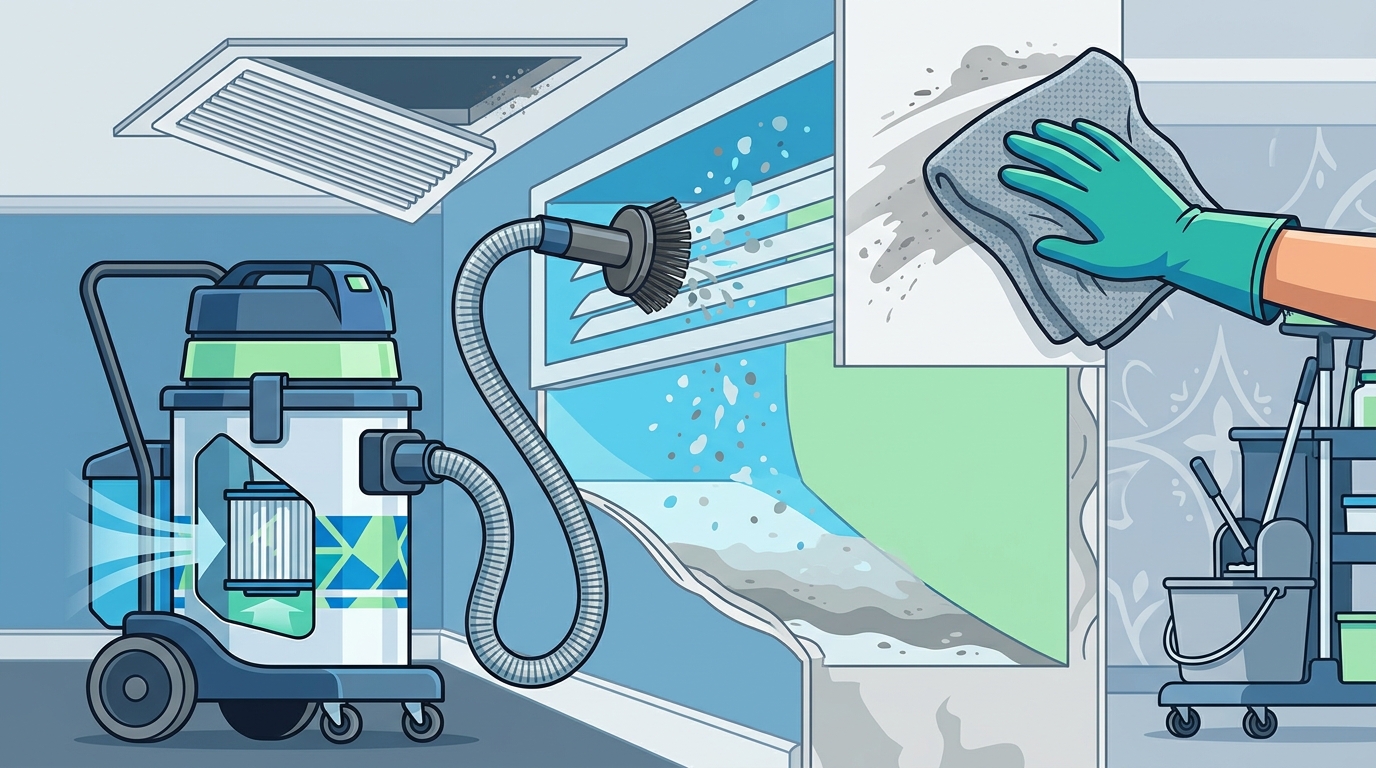
When shopping for a HEPA filtered vacuum, look for certifications. The filter should be replaceable. You need to change the filter regularly to maintain its effectiveness. A clogged HEPA filter reduces suction and allows particles to escape. For professional cleaning crews, using HEPA filtered vacuums is a baseline requirement. It ensures that the air quality in the client's home improves after the cleaning session. It also protects the health of the cleaning team.
Choosing the Right Model
There are different types of HEPA filtered vacuums. Upright vacuums are good for carpets. Canister vacuums are better for hard floors and furniture. Stick vacuums are convenient for quick cleanups. The best choice depends on your flooring type and cleaning needs. Regardless of the type, ensure the vacuum has a sealed system. A non-sealed system will leak air and reduce filtration efficiency.
Microfiber Cloths
Microfiber cloths are reusable. You can wash them in the washing machine and dry them in the dryer. Do not use fabric softener. Fabric softener coats the fibers and reduces their ability to trap dust. You can reuse a microfiber cloth hundreds of times. This makes it an eco-friendly and cost-effective cleaning tool. For fine dust removal, microfiber cloths are the best choice. They are gentle on surfaces and highly effective at trapping particles.
Care and Maintenance
To keep your microfiber cloths effective, wash them regularly. Wash them in hot water to remove embedded dust and oils. Do not mix them with other laundry. Other fabrics can shed lint onto the microfiber. Store them in a clean container. This prevents them from picking up dust before you use them. Proper care extends the life of the cloth and maintains its cleaning power.
Vent Cleaning Technique
Vent cleaning is a specialized technique for removing dust from HVAC supply and return vents. Dust accumulates in vents because air flow pushes particles against the grilles. Over time, this dust builds up and can affect air quality. The correct technique involves a combination of vacuuming and wiping. You should never use a standard broom or duster on vents. This will blow the dust into the air and spread it throughout the room.
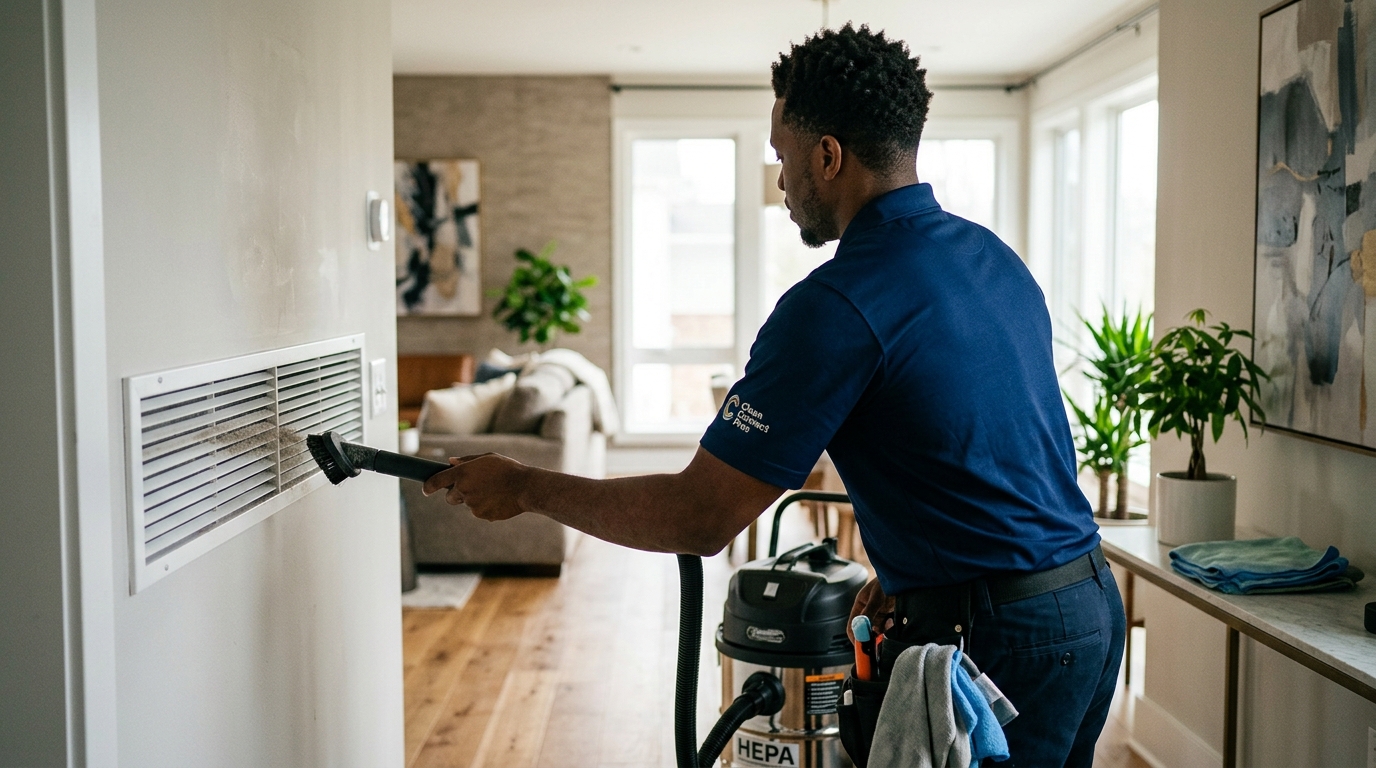
The first step is to remove the vent cover. Use a screwdriver to unscrew the cover. Place the cover in a safe location. Next, use a HEPA vacuum with a brush attachment to vacuum the inside of the vent. This removes the bulk of the dust. Then, use a microfiber cloth to wipe the inside of the vent and the cover. This removes any remaining fine dust. Finally, replace the cover. This technique ensures that the dust is captured, not redistributed.
Professional Vent Cleaning
Professional cleaning crews like Clean Connect Pros use specialized tools for vent cleaning. They have HEPA vacuums with long hoses and brush attachments. They also have microfiber cloths in various sizes. They follow a strict protocol to ensure that no dust is released into the air. This is important for clients with allergies or respiratory issues. Professional vent cleaning is a key part of a deep clean service. It improves air quality and extends the life of your HVAC system.
Comparison of Dust Removal Methods
| Method | Effectiveness for Fine Dust | Best For | Limitations |
|---|---|---|---|
| HEPA Vacuuming | High | Carpets, Upholstery, Hard Floors | Requires a HEPA filter |
| Microfiber Wiping | High | Shelves, Countertops, Electronics | Cloth must be clean |
| Standard Vacuum | Low | Large Debris | Recirculates fine dust |
| Cotton Cloth | Low | General Wiping | Smears dust, leaves lint |
Key Takeaways
- HEPA vacuuming is the most effective method for removing fine dust from floors and upholstery.
- Microfiber wiping is superior to cotton cloths for trapping dust on hard surfaces.
- Standard vacuums and cotton cloths often redistribute fine dust instead of removing it.
- A HEPA filtered vacuum must have a sealed system to be effective.
- Microfiber cloths are reusable and should be washed without fabric softener.
- Vent cleaning requires a specific technique to avoid spreading dust into the air.
- Professional cleaning crews use HEPA vacuums and microfiber cloths to ensure high-quality results.
- Regular maintenance of your cleaning tools is essential for long-term effectiveness.
Frequently Asked Questions
What is the best tool for removing fine dust from vents?
A HEPA vacuum with a brush attachment is the best tool for removing fine dust from vents. It captures the dust without releasing it into the air. Follow up with a microfiber cloth to wipe the vent cover.
Can I use a regular vacuum to clean vents?
You can use a regular vacuum, but it is not as effective. A regular vacuum may release fine dust back into the air. A HEPA vacuum is recommended for the best results.
How often should I replace my HEPA filter?
You should replace your HEPA filter every 6 to 12 months, depending on usage. Check the manufacturer's recommendations. A clogged filter reduces suction and filtration efficiency.
Are microfiber cloths better than paper towels?
Yes, microfiber cloths are better for fine dust. Paper towels often shed lint and smear dust. Microfiber traps dust and leaves no residue.
Do I need to wet my microfiber cloth?
No, you do not need to wet your microfiber cloth for dusting. Dry microfiber is effective for trapping dust. You can lightly dampen it for sticky surfaces, but dry is best for fine dust.
How do I clean a microfiber cloth?
Wash your microfiber cloth in hot water without fabric softener. Dry it in the dryer. Do not mix it with other laundry to avoid lint transfer.
Is professional cleaning worth it for dust removal?
Yes, professional cleaning is worth it for thorough dust removal. Professional crews have specialized tools and techniques. They can reach areas that are difficult to clean yourself, such as high vents and behind furniture.
Conclusion
Removing fine dust from vents and interior surfaces requires the right tools and techniques. HEPA vacuuming and microfiber wiping are the most effective methods. They capture dust instead of redistributing it. By using these methods, you can improve your indoor air quality and maintain a cleaner home. Clean Connect Pros offers premium cleaning services across the DMV and Central Virginia. Our insured and bonded team uses professional-grade HEPA vacuums and microfiber cloths to ensure a thorough clean. Contact Clean Connect Pros to schedule a service and experience the difference.